What is API Governance?
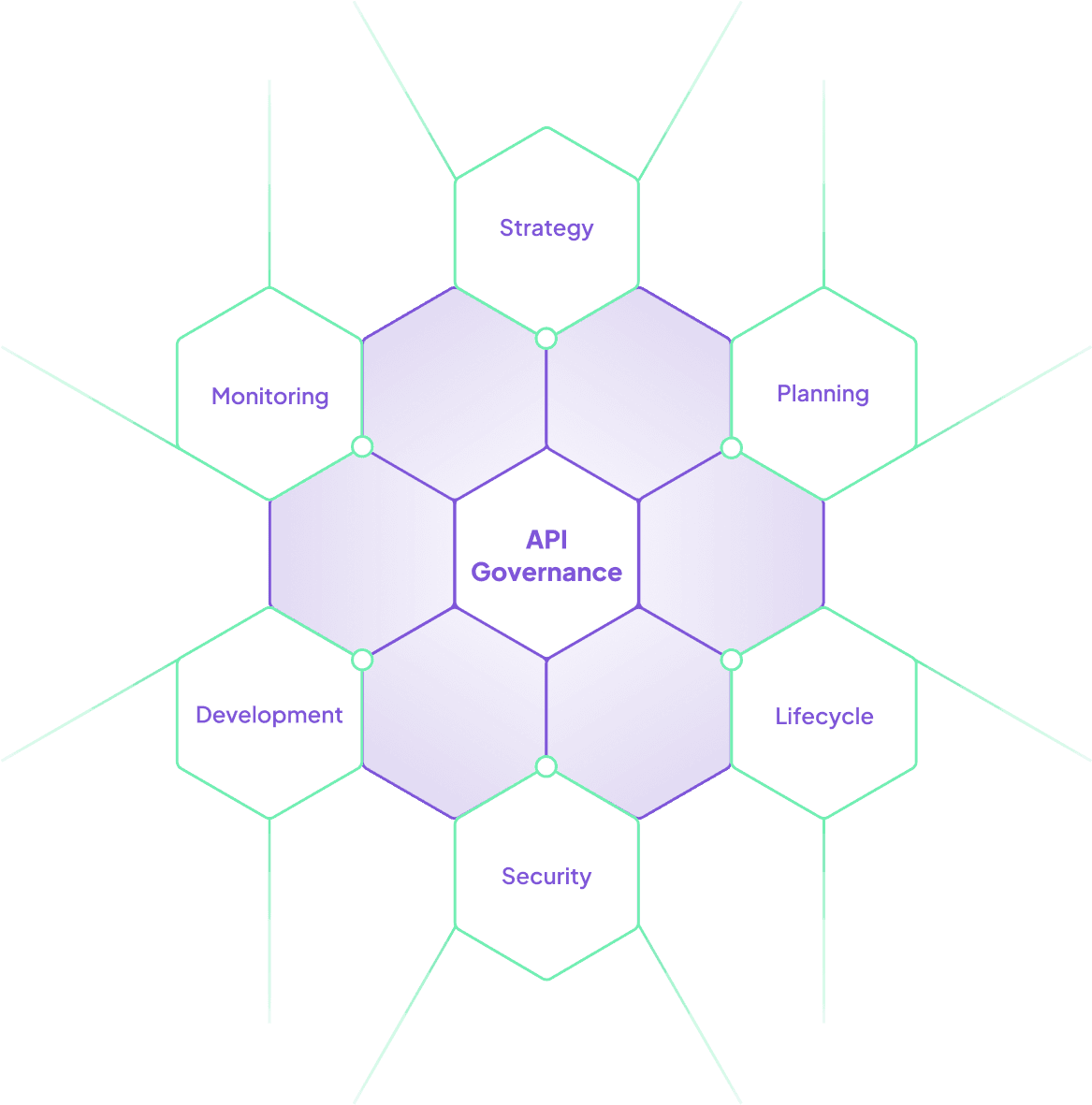
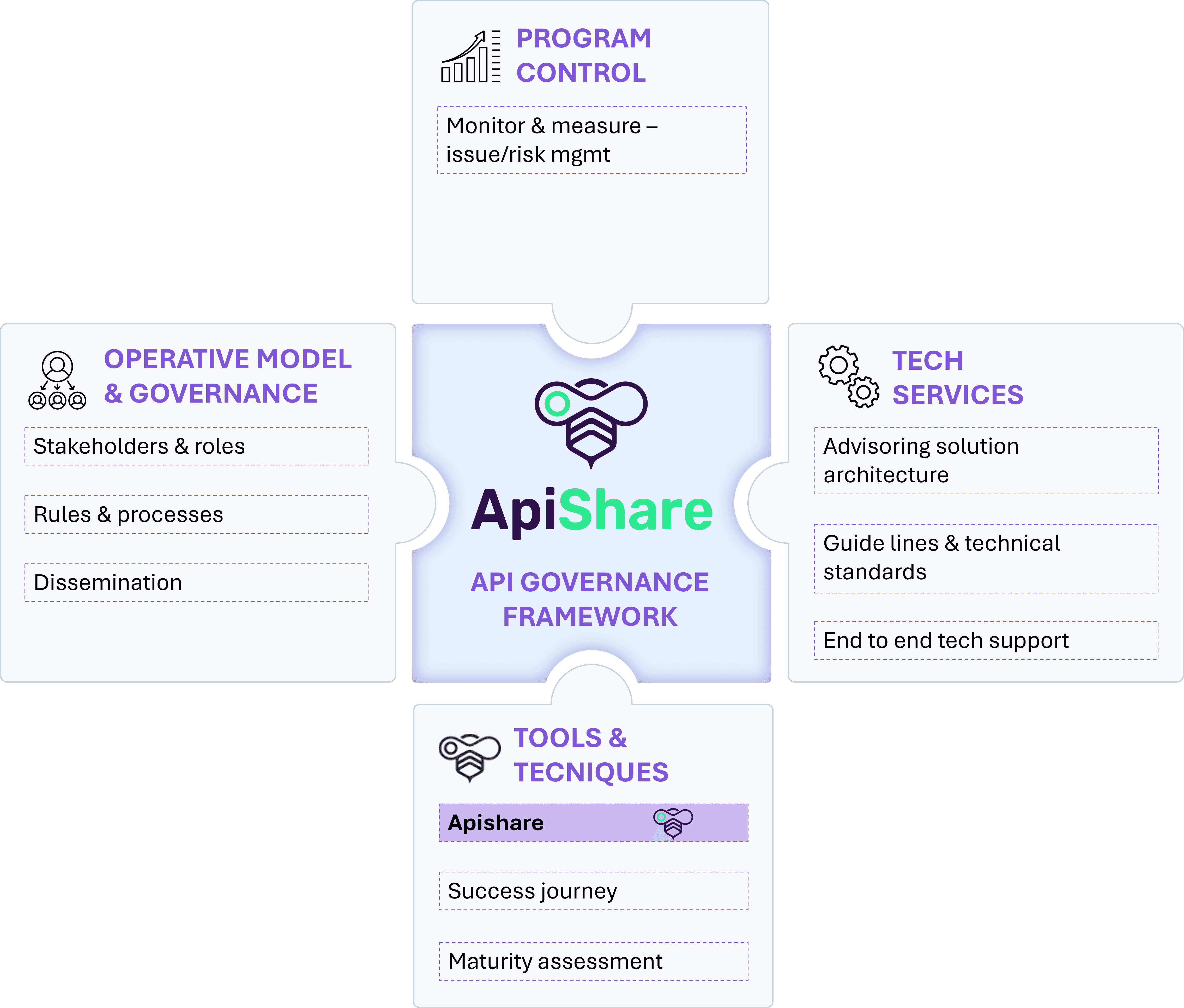
API Governance is a strategic approach that helps your organization manage and optimize its entire API ecosystem—ensuring consistency, security, and operational efficiency. It’s built on a framework of rules, processes, and tools designed to make sure every API is designed, deployed, and maintained according to enterprise standards and industry regulations.
Think of it as a quality control system for APIs. It sets guidelines for design and management, promotes consistent naming conventions, data formats, and authentication protocols, and makes it easier to discover and integrate API resources.
By implementing a strong governance model, you can centralize API resources, improve documentation, ensure better communication across teams, and maintain greater control over your digital ecosystem—boosting both scalability and security.
The Benefits of API Governance
Effective API Governance transforms your APIs from isolated tools into powerful strategic assets.
Explore our blog: What is API governance?
Here are the key benefits you can unlock:
1. Standardized API Design and Development Practices
Clear design rules help developers maintain a consistent approach, reduce onboarding time, and enhance team collaboration—ensuring every API follows corporate best practices.
2. Improved Operational Efficiency
Governance frameworks streamline processes, reduce redundancy, and cut development time and costs. Reusing existing APIs becomes easier, making long-term API management more scalable and sustainable.
3. API Strategy Aligned with Business Goals
APIs become extensions of your business strategy. Effective governance helps you develop APIs that support key business priorities, such as expanding into new markets and creating new monetization opportunities.
4. Enhanced Security and Compliance
API Governance enables the implementation of advanced security measures, protecting sensitive data and ensuring compliance with regulations like GDPR. This reduces risks and penalties, while increasing user trust.
5. API Reuse and Reduced Duplication
It encourages the reuse of existing APIs, avoiding duplication and reducing development and maintenance costs. This optimizes resource utilization and enhances the consistency of the digital ecosystem.
6. APIs as Strategic Products
Governance helps turn APIs into market-ready digital products for partners and customers, driving innovation and unlocking new revenue streams.
7. Accelerated Innovation and Growth
Effective API management accelerates the integration of new features and services, enabling agile responses to market demands and building a resilient digital infrastructure.
Explore ApiShare’s API governance solutions: Home page
Effective API Governance transforms your APIs from isolated tools into powerful strategic assets.
view the blog: What is API governance?
Here are the key benefits you can unlock:
1. Standardized API Design and Development Practices
Clear design rules help developers maintain a consistent approach, reduce onboarding time, and enhance team collaboration—ensuring every API follows corporate best practices.
2. Improved Operational Efficiency
Governance frameworks streamline processes, reduce redundancy, and cut development time and costs. Reusing existing APIs becomes easier, making long-term API management more scalable and sustainable.
3. API Strategy Aligned with Business Goals
APIs become extensions of your business strategy. Effective governance helps you develop APIs that support key business priorities, such as expanding into new markets and creating new monetization opportunities.
4. Enhanced Security and Compliance
API Governance enables the implementation of advanced security measures, protecting sensitive data and ensuring compliance with regulations like GDPR. This reduces risks and penalties, while increasing user trust.
5. API Reuse and Reduced Duplication
It encourages the reuse of existing APIs, avoiding duplication and reducing development and maintenance costs. This optimizes resource utilization and enhances the consistency of the digital ecosystem.
6. APIs as Strategic Products
Governance helps turn APIs into market-ready digital products for partners and customers, driving innovation and unlocking new revenue streams.
7. Accelerated Innovation and Growth
Effective API management accelerates the integration of new features and services, enabling agile responses to market demands and building a resilient digital infrastructure.
Explore ApiShare’s API governance solutions: Home page
Effective API Governance transforms your APIs from isolated tools into powerful strategic assets.
Explore our blog: What is API governance?
Here are the key benefits you can unlock:
1. Standardized API Design and Development Practices
Clear design rules help developers maintain a consistent approach, reduce onboarding time, and enhance team collaboration—ensuring every API follows corporate best practices.
2. Improved Operational Efficiency
Governance frameworks streamline processes, reduce redundancy, and cut development time and costs. Reusing existing APIs becomes easier, making long-term API management more scalable and sustainable.
3. API Strategy Aligned with Business Goals
APIs become extensions of your business strategy. Effective governance helps you develop APIs that support key business priorities, such as expanding into new markets and creating new monetization opportunities.
4. Enhanced Security and Compliance
API Governance enables the implementation of advanced security measures, protecting sensitive data and ensuring compliance with regulations like GDPR. This reduces risks and penalties, while increasing user trust.
5. API Reuse and Reduced Duplication
It encourages the reuse of existing APIs, avoiding duplication and reducing development and maintenance costs. This optimizes resource utilization and enhances the consistency of the digital ecosystem.
6. APIs as Strategic Products
Governance helps turn APIs into market-ready digital products for partners and customers, driving innovation and unlocking new revenue streams.
7. Accelerated Innovation and Growth
Effective API management accelerates the integration of new features and services, enabling agile responses to market demands and building a resilient digital infrastructure.
Explore ApiShare’s API governance solutions: Home page
Explore ApiShare’s API governance solutions: Home page
API Economy: Challenges and Opportunities
APIs are the driving force behind digital innovation and a key enabler of business growth. However, managing them comes with challenges that, if addressed properly, can turn into strategic opportunities.
Challenges in API Management
API Proliferation and Inconsistency
As the number of APIs grows, you may face integration issues and a lack of standardization. Without effective governance, API sprawl can lead to inefficiencies and make the digital ecosystem harder to maintain.
Security and Compliance Risks
If not properly secured, APIs can become entry points for cyberattacks. Implementing solid API Governance means enforcing strict security controls, ensuring regulatory compliance, and continuously monitoring for suspicious activity.
Resource Waste and Duplication
Without a clear governance framework, there’s a risk of developing duplicate or low-value APIs—wasting time and resources. A structured strategy helps optimize API usage, ensuring that every new resource delivers real business value.
Lack of Visibility and Control
Without a centralized system to monitor your APIs, you may lose track of their usage and effectiveness. API Governance provides advanced tools to efficiently manage the entire ecosystem, ensuring transparency and control over all digital assets.
Opportunities Enabled by API Governance
Improved Collaboration Between Teams and External Partners
APIs enable a continuous flow of data between internal teams and external partners, enhancing collaboration and accelerating the development of innovative solutions.
Faster Launch of New Products and Services
With APIs, you can drastically reduce development time by leveraging existing functionalities to create and deliver new services more quickly and effectively.
Enhanced User Experiences Through Seamless Integrations
APIs allow for smooth connections between different platforms, improving the customer experience and delivering more intuitive and high-performing services.
Greater Efficiency Through API Reuse
Reusing existing APIs in new projects reduces development costs, optimizes resource use, and speeds up innovation within your organization.
With an effective governance model, you can turn these challenges into competitive advantages—making your API ecosystem more secure, scalable, and business-driven.
Dive into the blog: APIs and Governance: Benefits for Companies
Improved Collaboration Between Teams and External Partners
APIs enable a continuous flow of data between internal teams and external partners, enhancing collaboration and accelerating the development of innovative solutions.
Faster Launch of New Products and Services
With APIs, you can drastically reduce development time by leveraging existing functionalities to create and deliver new services more quickly and effectively.
Enhanced User Experiences Through Seamless Integrations
APIs allow for smooth connections between different platforms, improving the customer experience and delivering more intuitive and high-performing services.
Greater Efficiency Through API Reuse
Reusing existing APIs in new projects reduces development costs, optimizes resource use, and speeds up innovation within your organization.
With an effective governance model, you can turn these challenges into competitive advantages—making your API ecosystem more secure, scalable, and business-driven.
Dive into the blog: APIs and Governance: Benefits for Companies
Improved Collaboration Between Teams and External Partners
APIs enable a continuous flow of data between internal teams and external partners, enhancing collaboration and accelerating the development of innovative solutions.
Faster Launch of New Products and Services
With APIs, you can drastically reduce development time by leveraging existing functionalities to create and deliver new services more quickly and effectively.
Enhanced User Experiences Through Seamless Integrations
APIs allow for smooth connections between different platforms, improving the customer experience and delivering more intuitive and high-performing services.
Greater Efficiency Through API Reuse
Reusing existing APIs in new projects reduces development costs, optimizes resource use, and speeds up innovation within your organization.
With an effective governance model, you can turn these challenges into competitive advantages—making your API ecosystem more secure, scalable, and business-driven.
Dive into the blog: APIs and Governance: Benefits for Companies
Key Elements of API Governance
Effective API governance ensures that your digital ecosystem is secure, scalable, and aligned with your business objectives.
Here are the five fundamental pillars for structured API management:
1. Strategy and Planning
Defining Clear, Business-Aligned API Objectives
To maximize the value of your APIs, a clear strategy is essential. Whether you’re aiming to expand into new markets, improve operational efficiency, or enhance customer experience, your APIs should be designed to support these goals.
Establishing API Design Standards and Best Practices
Adopting well-established standards like REST or GraphQL, clearly defining endpoints, and using appropriate HTTP methods ensures consistency, security, and ease of integration.
Creating a Roadmap for API Development and Integration
Planning API development over time helps your organization optimize resources, meet deadlines, and ensure a gradual and structured integration process.
2. Lifecycle management
Implementing Structured Processes Across the API Lifecycle
From design to deployment, versioning (Check out the blog: The Importance of API Versioning for Stability and Growth) to retirement, every stage must be carefully managed to ensure quality and consistency.
Automating Lifecycle Management for Greater Consistency
Incorporating automation tools minimizes manual errors and ensures APIs consistently meet corporate standards.
Monitoring API Performance and Deprecation
Continuous monitoring helps identify performance issues, plan the deprecation of outdated APIs, and ensure seamless operations.
Implementing Structured Processes Across the API Lifecycle
From design to deployment, versioning (Check out the blog: The Importance of API Versioning for Stability and Growth) to retirement, every stage must be carefully managed to ensure quality and consistency.
Automating Lifecycle Management for Greater Consistency
Incorporating automation tools minimizes manual errors and ensures APIs consistently meet corporate standards.
Monitoring API Performance and Deprecation
Continuous monitoring helps identify performance issues, plan the deprecation of outdated APIs, and ensure seamless operations.
Implementing Structured Processes Across the API Lifecycle
From design to deployment, versioning (Check out the blog: The Importance of API Versioning for Stability and Growth) to retirement, every stage must be carefully managed to ensure quality and consistency.
Automating Lifecycle Management for Greater Consistency
Incorporating automation tools minimizes manual errors and ensures APIs consistently meet corporate standards.
Monitoring API Performance and Deprecation
Continuous monitoring helps identify performance issues, plan the deprecation of outdated APIs, and ensure seamless operations.
3. Security and Compliance
Implementing Robust Authentication and Authorization Mechanisms
Using security protocols like OAuth 2.0 and JWT protects your APIs from unauthorized access, reducing breach risks.
Ensuring Data Privacy and Protection
APIs must be designed to safeguard sensitive information and comply with regulations like GDPR, ensuring reliability and trust.
Complying with Industry Standards and Regulations
Ensuring your APIs adhere to standards like PCI DSS for financial transactions is essential for secure and compliant operations.
4. Developer Enablement
Providing Clear and Comprehensive API Documentation
Well-structured documentation—designed for both technical developers and business users—facilitates API adoption and speeds up implementation.
Offering Self-Service Developer Portals
A quality developer portal supports fast onboarding, intuitive testing, and usage tracking, enhancing the overall development experience.
Supporting API Discovery, Onboarding, and Testing
APIs should be easily discoverable and integrable, with tools that simplify developers’ work and accelerate time-to-market.
5. Monitoring and Analysis
Tracking Usage and Performance Metrics
Constantly monitoring API consumption, errors, and performance allows real-time action and ensures high service quality.
Generating Insights for Continuous Improvement
Analyzing collected data reveals optimization opportunities and helps you continuously enhance your API strategy.
Measuring Business Impact Through KPI Dashboards
KPI dashboards provide a clear view of API performance and their contribution to business goals—empowering smarter strategic decisions.
How to Build an Effective API Governance Framework
To ensure that your company’s APIs are secure, consistent, and aligned with business objectives, it’s essential to adopt a structured governance framework that streamlines management, enhances operational efficiency, and reduces risk.
1. Defining the Governance Strategy
The first step is to analyze the current state of APIs within your organization. It’s essential to assess existing interfaces, current processes, available tools, involved roles, and assigned permissions. This phase allows you to identify inefficiencies, redundancies, and critical issues that need improvement, as well as understand the maturity level of your API ecosystem.
Once the situation is mapped out, you need to define clear governance policies. These should include development standards, security practices, API lifecycle management procedures, naming conventions, and versioning strategies. Setting precise guidelines ensures consistency, quality, and effective API management over time, making system and application integration smoother.
To optimize management and encourage API reuse, implementing a centralized catalog is crucial. This tool helps clearly distinguish between internal assets (Asset APIs) and externally consumed products (Product APIs), facilitating the discovery, sharing, and monitoring of your entire API ecosystem.
2. Operationalizing and Optimizing Governance
Workflow automation is a key element in making governance more efficient. Automating API lifecycle management, compliance checks, and access requests helps reduce manual errors, improve operational scalability, and ensure consistent security levels.
At the same time, it’s vital to foster a culture of governance within your organization. Educating teams about the value of API governance and promoting collaboration across business units facilitates the adoption of established policies and enhances the overall quality of developed APIs. When everyone understands the importance of APIs and follows best practices, the entire ecosystem becomes more robust and efficient.
Finally, to ensure continuous improvement, ongoing performance monitoring is essential. Using key performance indicators (KPIs) and detailed dashboards, you can gather strategic insights to optimize APIs, adapt them to market needs, and anticipate technological shifts.
By following these steps, you can build a solid and effective governance framework—ensuring your company’s APIs are reliable, compliant, and truly strategic for business growth.
Most Common Questions About API Governance
Is API Governance necessary?
Yes. Without effective governance, your organization risks operational inefficiencies, duplicated efforts, increased security vulnerabilities, and compliance issues. Additionally, without structured oversight, costs rise due to redundancy, while innovation cycles become slower and less competitive.
What is the difference between API Management and API Governance?
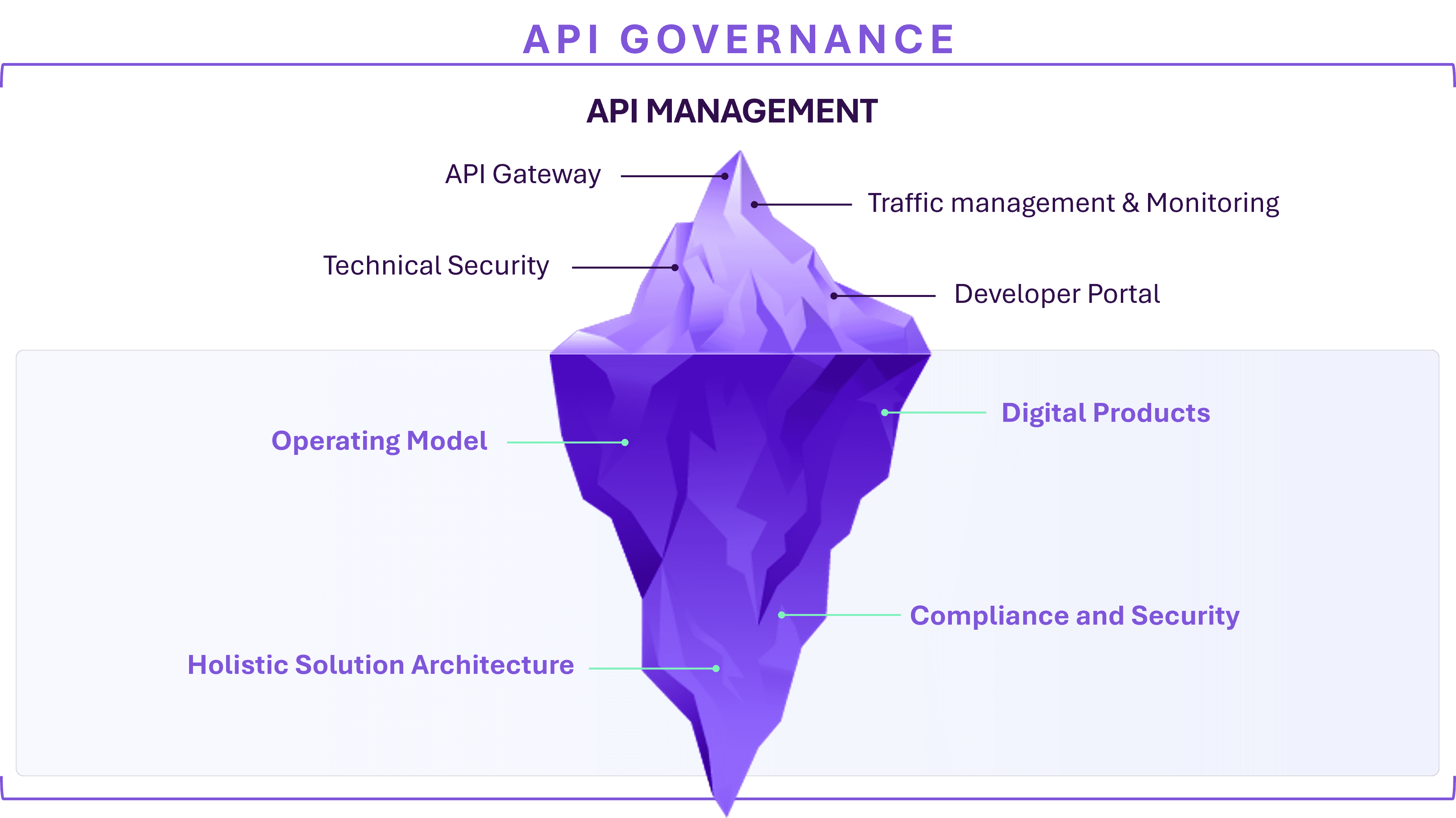
API Management focuses on operational aspects, such as deployment through an API Gateway, real-time monitoring, and access control. API Governance, on the other hand, provides strategic oversight: it defines development standards, establishes security and compliance policies, regulates the API lifecycle, and ensures all APIs adhere to corporate guidelines. While management is about day-to-day execution, governance ensures long-term consistency, quality, and security.
How do you balance centralized governance with team agility?
To strike the right balance between strategic control and operational flexibility, your organization should adopt a hybrid approach. This means combining centralized guidelines with decentralized autonomy, allowing teams to develop and deploy APIs in an agile manner. Workflow automation supports high standards without slowing down development speed.
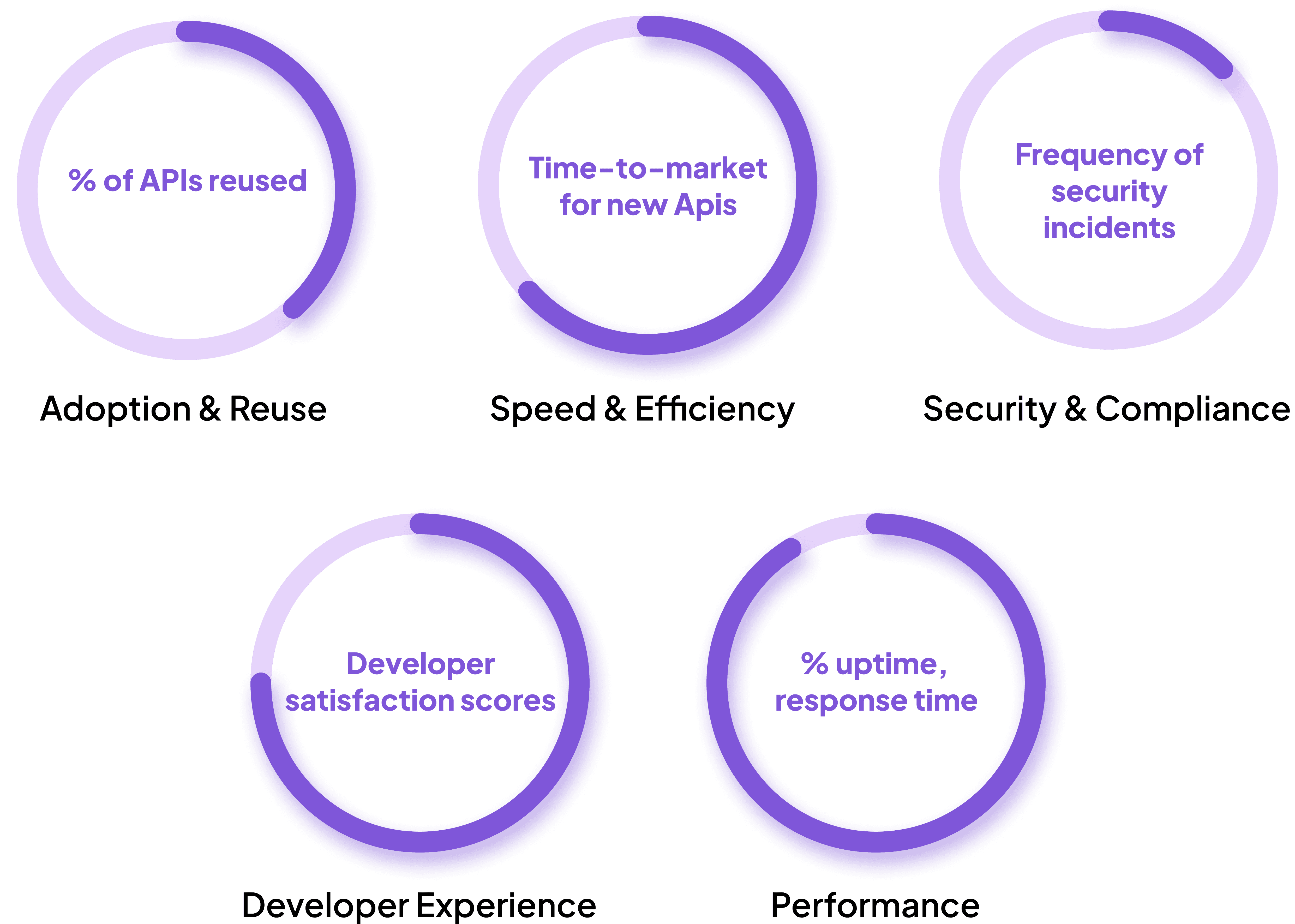
How do you measure the impact of API governance?
To measure the success of API governance, it’s important to track the following key performance indicators (KPIs):
How Can ApiShare Help You with API Governance?
ApiShare is designed to simplify and optimize API governance by offering a structured and highly configurable approach. With a centralized catalog, you can clearly manage and distinguish between Asset APIs and Product APIs—making it easier to discover and integrate digital resources across your organization.
ApiShare is designed to simplify and optimize API governance by offering a structured and highly configurable approach. With a centralized catalog, you can clearly manage and distinguish between Asset APIs and Product APIs—making it easier to discover and integrate digital resources across your organization.
ApiShare is designed to simplify and optimize API governance by offering a structured and highly configurable approach. With a centralized catalog, you can clearly manage and distinguish between Asset APIs and Product APIs—making it easier to discover and integrate digital resources across your organization.
With ApiShare, you can automate the entire API lifecycle, ensuring consistency at every stage—from design to retirement—while minimizing errors and improving version control. It also provides advanced security and compliance management, with granular permission controls and features that help ensure adherence to internal and industry regulations.
To enhance the developer experience, ApiShare offers tailored documentation for both technical and business users, along with self-service tools that streamline onboarding and testing directly through the portal. Integrated KPI dashboards and in-depth analytics allow you to track usage and performance metrics, providing valuable insights to optimize your data-driven governance strategy.
ApiShare also promotes collaboration across teams with a role-based access control system, allowing you to customize permissions and responsibilities in a secure, shared environment.
Moreover, the platform adapts to your company’s specific needs through flexible configuration options, including “API Full” “Product Only” and “Asset Only” modes—enabling you to implement the level of governance best suited to your digital maturity.
Through an iterative, feedback-driven approach, ApiShare helps you build an optimized governance model that supports scalability and security—empowering you to face the challenges of the digital economy with greater control and agility.
Discover all the features of ApiShare on our Features page
With ApiShare, you can automate the entire API lifecycle, ensuring consistency at every stage—from design to retirement—while minimizing errors and improving version control. It also provides advanced security and compliance management, with granular permission controls and features that help ensure adherence to internal and industry regulations.
To enhance the developer experience, ApiShare offers tailored documentation for both technical and business users, along with self-service tools that streamline onboarding and testing directly through the portal. Integrated KPI dashboards and in-depth analytics allow you to track usage and performance metrics, providing valuable insights to optimize your data-driven governance strategy.
ApiShare also promotes collaboration across teams with a role-based access control system, allowing you to customize permissions and responsibilities in a secure, shared environment.
Moreover, the platform adapts to your company’s specific needs through flexible configuration options, including “API Full” “Product Only” and “Asset Only” modes—enabling you to implement the level of governance best suited to your digital maturity.
Through an iterative, feedback-driven approach, ApiShare helps you build an optimized governance model that supports scalability and security—empowering you to face the challenges of the digital economy with greater control and agility.
Discover all the features of ApiShare on our Features page
With ApiShare, you can automate the entire API lifecycle, ensuring consistency at every stage—from design to retirement—while minimizing errors and improving version control. It also provides advanced security and compliance management, with granular permission controls and features that help ensure adherence to internal and industry regulations.
To enhance the developer experience, ApiShare offers tailored documentation for both technical and business users, along with self-service tools that streamline onboarding and testing directly through the portal. Integrated KPI dashboards and in-depth analytics allow you to track usage and performance metrics, providing valuable insights to optimize your data-driven governance strategy.
ApiShare also promotes collaboration across teams with a role-based access control system, allowing you to customize permissions and responsibilities in a secure, shared environment.
Moreover, the platform adapts to your company’s specific needs through flexible configuration options, including “API Full” “Product Only” and “Asset Only” modes—enabling you to implement the level of governance best suited to your digital maturity.
Through an iterative, feedback-driven approach, ApiShare helps you build an optimized governance model that supports scalability and security—empowering you to face the challenges of the digital economy with greater control and agility.
Discover all the features of ApiShare on our Features page